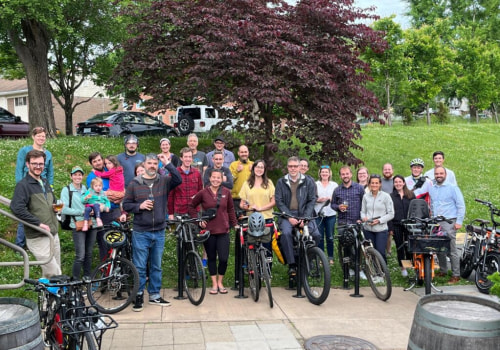
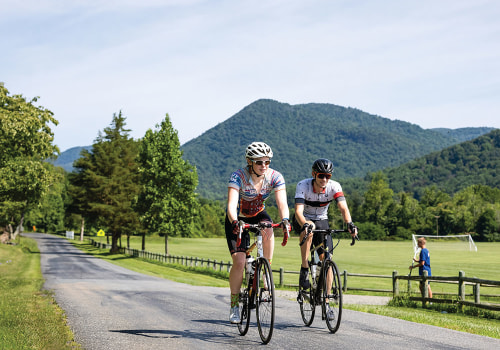
Cycling has become an integral part of the vibrant culture in Charlottesville, Virginia, attracting enthusiasts from all walks of life. With its picturesque landscapes and a strong sense of community, the city hosts a variety of cycling events throughout the year, ranging from casual rides to competitive races. These events not only promote physical fitness but also foster camaraderie among cyclists, making them a staple in the local calendar.As the popularity of these cycling events in Charlottesville, Virginia continues to grow, questions often arise regarding participant limits. Understanding these limits is crucial for both cyclists and event organizers.
For participants, knowing how many fellow riders will be on the course can influence their experience, while for organizers, managing the number of participants is essential for ensuring safety and logistical efficiency.The cycling community in Charlottesville is known for its inclusivity and supportiveness, which raises an interesting dynamic when it comes to participant caps. While some events may have strict limits due to safety regulations or venue capacity, others may encourage larger groups to promote community engagement. This balance between accessibility and safety is a key consideration for anyone looking to participate in or organize cycling events in this beautiful Virginia city.
Overview of Cycling Events in Charlottesville
Cycling events in Charlottesville, Virginia are a vibrant part of the local culture, attracting both seasoned cyclists and newcomers alike. The city hosts a variety of events throughout the year, catering to different interests and skill levels.Types of Cycling Events
- Races: Competitive cycling races are held regularly, including criteriums and road races that challenge participants with varying terrains.
- Charity Rides: Many local organizations host charity rides, allowing cyclists to contribute to meaningful causes while enjoying the scenic routes.
- Community Events: These include fun rides and festivals that promote cycling as a healthy lifestyle choice, often featuring food, music, and family-friendly activities.
Local cycling clubs frequently organize group rides, workshops, and advocacy efforts to improve cycling infrastructure. This sense of community fosters a welcoming atmosphere for cyclists of all ages.
Popular Cycling Routes
Charlottesville boasts numerous scenic routes that showcase the area's natural beauty. Some popular cycling routes include:
- The Rivanna Trail: A multi-use path that winds through parks and along the Rivanna River, perfect for leisurely rides.
- Monticello Loop: A challenging route that offers stunning views of Thomas Jefferson's estate and the surrounding countryside.
- The Blue Ridge Parkway: Known for its breathtaking vistas, this route is ideal for experienced cyclists seeking a more demanding ride.
Understanding Participant Limits in Cycling Events
When it comes to cycling events in Charlottesville, Virginia, understanding participant limits is crucial for both organizers and participants.These limits are often set for a variety of reasons, primarily focusing on safety, venue capacity, and effective event management.
Safety Regulations
- Participant safety is the foremost concern in any cycling event. High numbers of cyclists can lead to congestion on the course, increasing the risk of accidents.
- Events often require medical personnel on-site, and having too many participants can stretch these resources thin, compromising the safety of all involved.
Venue Capacity
- Cycling events are typically held in specific locations that have a limited capacity. This includes not only the cycling route but also areas for registration, staging, and post-race activities.
- For example, if an event is hosted in a park or along city streets, local regulations may dictate how many people can safely occupy those spaces at one time.
Event Management Considerations
- Organizers must consider logistics such as traffic control, volunteer management, and the distribution of supplies like water and snacks. A manageable number of participants allows for smoother operations.
- Having a set limit helps ensure that all participants have a positive experience, from registration to crossing the finish line.
Participants should always check with event organizers for specific details regarding participant caps and registration processes.
Factors Influencing Participant Limits
When it comes to cycling events in Charlottesville, Virginia, several factors can significantly influence the number of participants allowed. Understanding these factors is crucial for both event organizers and potential participants.Event Size Factors
The size of the event plays a pivotal role in determining participant limits. Organizers must consider the venue's capacity, the type of cycling event, and the expected turnout. For instance, larger events like marathons or multi-day cycling festivals may accommodate more participants compared to smaller, local races.Additionally, the nature of the event—whether it’s a competitive race or a casual ride—can also dictate how many cyclists can safely participate.
Weather Conditions
Weather is another critical factor that can impact participant limits. Adverse weather conditions such as heavy rain, snow, or extreme heat can lead to safety concerns, prompting organizers to reduce the number of participants or even cancel the event altogether. In Charlottesville, where weather can be unpredictable, organizers often have contingency plans in place to ensure participant safety while maximizing attendance.Road Closures and Safety Regulations
Road closures are essential for ensuring the safety of cyclists during events. Local authorities may impose restrictions on road usage based on the expected number of participants and the type of roads involved.Organizers must coordinate with city officials to determine which roads can be closed and for how long, which directly affects how many cyclists can safely navigate the course. Furthermore, safety regulations regarding traffic management and emergency services availability also play a significant role in setting participant limits.In summary, while there may not be a strict cap on participants for cycling events in Charlottesville, Virginia, various factors such as event size, weather conditions, and road closures significantly influence how many cyclists can take part. Organizers must carefully evaluate these elements to create a safe and enjoyable experience for all participants.
Case Studies of Cycling Events in Charlottesville
Charlottesville, Virginia, has hosted a variety of cycling events that showcase the region's scenic landscapes and vibrant cycling community. Analyzing past events provides valuable insights into how participant limits were established and managed.Case Study: The Charlottesville Bike Festival
The Charlottesville Bike Festival, held annually, is one of the most popular cycling events in Charlottesville, Virginia.In its last edition, the festival attracted over 1,000 participants. Organizers set a cap on registration to ensure safety and enhance the overall experience. Feedback from participants indicated that the limit allowed for better crowd management and more enjoyable rides.
Participant Feedback
- Safety Concerns: Many riders expressed appreciation for the limited number of participants, citing reduced congestion on the routes.
- Quality of Experience: Participants noted that smaller groups fostered camaraderie and made it easier to connect with fellow cyclists.
- Event Logistics: Organizers reported that managing a capped number of participants allowed for smoother check-in processes and better resource allocation.
Case Study: The Monticello Gran Fondo
The Monticello Gran Fondo is another significant event that has seen varying participant limits over the years. Initially, the event had no cap, leading to overwhelming turnout.However, after feedback from both participants and local authorities regarding safety and road conditions, organizers implemented a limit of 500 riders. This change resulted in a more organized event with improved rider satisfaction.Participants highlighted the following benefits:
- Enhanced Safety: With fewer cyclists on the road, riders felt safer navigating through challenging terrains.
- Better Support Services: A limited number of participants allowed for more efficient aid stations and support vehicles along the route.
Frequently Asked Questions about Cycling Events in Charlottesville
When it comes to cycling events in Charlottesville, Virginia, many potential participants often have questions regarding the limits on the number of participants and the registration process. Here are some frequently asked questions that can help clarify these concerns.Is there a limit on the number of participants for cycling events?
Yes, most cycling events in Charlottesville do have a participant limit.This is primarily to ensure safety and manage logistics effectively. The specific limit can vary depending on the event's size, location, and organizational capacity. For example, larger events like the Charlottesville Bike Festival may accommodate hundreds of cyclists, while smaller community rides might be capped at a lower number.
How can I find out the participant limit for a specific event?
The best way to find out about participant limits is to check the official event website or contact the event organizers directly. They typically provide detailed information about registration limits, including any potential waitlists if the event reaches capacity.What is the registration process for cycling events?
The registration process for cycling events in Charlottesville usually involves several steps:- Online Registration: Most events require participants to register online through their official website.
This often includes filling out personal information and selecting your desired event category.
- Payment: A registration fee is typically required, which can vary based on the event type and distance. Payment methods are usually available via credit card or PayPal.
- Confirmation: After completing your registration, you should receive a confirmation email with details about the event, including start times and any necessary gear or requirements.
Conclusion: The Future of Cycling Events in Charlottesville
As we look towards the future of cycling events in Charlottesville, Virginia, it is clear that community engagement and participation will play a pivotal role in shaping these events. The discussions surrounding participant limits are not merely about numbers; they reflect a broader commitment to ensuring safety, inclusivity, and the overall experience for cyclists and spectators alike.While current regulations may impose certain limits on the number of participants, these measures are often designed to enhance the quality of the event.Organizers are increasingly focused on creating a balance between accommodating enthusiastic cyclists and maintaining a safe environment. This means that as cycling events in Charlottesville evolve, we can expect to see innovative solutions that allow for greater participation without compromising safety.
Community Involvement
The future of cycling events also hinges on community involvement. Local businesses, cycling clubs, and residents are encouraged to participate in planning and executing these events. By fostering a collaborative atmosphere, organizers can better understand the needs and desires of participants, which can lead to more successful and well-attended events.- Feedback Mechanisms: Implementing feedback systems post-event can help organizers gauge participant satisfaction and areas for improvement.
- Volunteer Opportunities: Engaging local volunteers not only helps manage larger crowds but also strengthens community ties.
- Sponsorships: Partnering with local businesses can provide additional resources, allowing for larger events with more participants.
With a focus on community engagement and innovative planning, these events can continue to grow in popularity and inclusivity. As we move forward, it will be essential for all stakeholders to work together to create memorable experiences that celebrate the joy of cycling in this vibrant city.