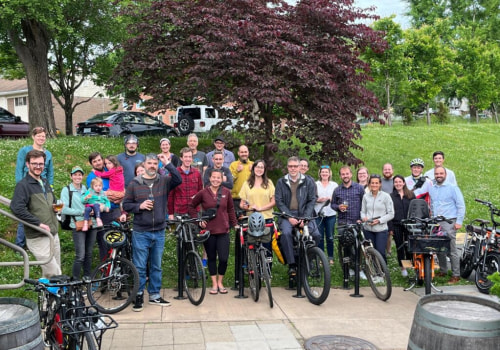
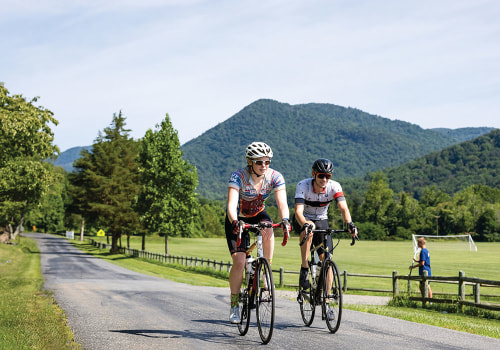
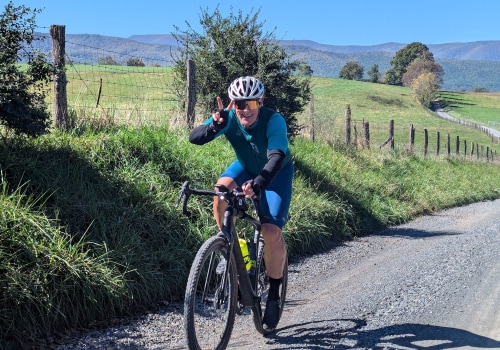
Cycling events represent more than fitness challenges; they foster community, philanthropy, exploration, and regional identity. Riders join not only for competition but for camaraderie, scenic routes, and shared achievement. In cities and college towns where biking is already woven into everyday transportation and recreation, organized rides expand that culture into something more structured and celebratory. They highlight natural landscapes, support local charities, encourage healthy lifestyles, and connect residents with visitors. Participation can be individualistic—testing personal endurance—but it is often collective, as riders coordinate gear, training sessions, and pacing strategies. This collaborative spirit is the backdrop against which group pricing and team participation incentives evolve.
Exploring Group Discounts for Cycling Events in Charlottesville, Virginia
Cycling events in the region vary widely in scale, format, and audience. Charity rides emphasize fundraising milestones and personal pledges; gran fondos and endurance tours attract serious cyclists seeking challenging mileage; and family-friendly community rides invite newcomers, youth, and casual riders. Event organizers recognize that group participation increases attendance, boosts visibility, and enhances rider experience. Group discounts therefore emerge as a strategic tool to reduce financial barriers for clubs, workplaces, student organizations, and friend cohorts. Discounts may be tiered according to group size, offered through early registration windows, or bundled with perks such as matching jerseys, training resources, or reserved start corrals. For collegiate and nonprofit groups, reduced registration costs allow participants to focus on team-building and preparation rather than budgeting concerns. Businesses also use cycling events as wellness incentives, encouraging employees to stay active while representing company values in a public setting.
Structures, Incentives, and Operational Logistics
Behind the scenes, group discounts entail operational planning. Organizers must forecast registration volumes, supply counts, staffing needs, and on-course safety resources. Aid stations require hydration supplies, nutrition, medical staff, and equipment, all of which scale with attendance. Offering group discounts becomes easier when events have predictable participation histories or flexible supply chains. Digital registration platforms streamline coordination by allowing teams to manage rosters, track payments, and receive event updates collectively. To retain repeat participants, organizers sometimes create loyalty discounts for returning teams, promoting multi-year engagement and building institutional relationships with cycling clubs, alumni groups, and regional athletes. The combination of digital infrastructure and predictable logistics turns group pricing into a sustainable growth strategy rather than a one-time promotional gimmick.
Tourism, Sponsorships, and Economic Ripple Effects
Cycling events also interact with tourism economies. Riders travel with families or teammates, book lodging, dine in restaurants, visit breweries or museums, and shop at local outdoor stores. Hotels and resorts may offer complementary group rates, bike storage areas, or late checkout options. Sponsorships from bike shops, apparel brands, energy drink manufacturers, and healthcare providers influence pricing structures by offsetting operational costs. Sponsors benefit from brand visibility while participants receive value in the form of swag bags, maintenance vouchers, or nutritional products. Group discounts amplify these benefits by increasing the number of riders who engage with sponsor offerings. For the broader community, events transform weekends into economic micro-seasons defined by visitor traffic, festival-style vendor booths, and scenic crowds lining roads and trailheads.
Barriers, Equity, and Access
Even with discounts, participation can be costly once bicycles, helmets, clothing, maintenance, and travel are factored in. Addressing financial equity requires layered strategies: loaner bike programs, youth scholarships, equipment swaps, and partnerships with schools or recreation departments help democratize access. Discounts for students, families, and military members acknowledge that cycling communities encompass diverse backgrounds and economic realities. When paired with group pricing, these measures help events attract broader demographics, including cyclists who might otherwise feel excluded from organized endurance culture. Expanding access also strengthens cycling advocacy, as riders who experience supportive events become more invested in safe infrastructure, trail development, and transportation policy.
Social Dynamics and Motivation
Group participation influences rider psychology. Training in teams enhances accountability and skill development, while collective pacing reduces fatigue and builds confidence. Events become social rituals that celebrate milestones—first century rides, personal speed improvements, or fundraising goals. Matching jerseys, team tents, and shared warm-up routines foster belonging. Organizers who understand these dynamics often design experiences around communal gratification: scenic rest stops become photo opportunities; post-ride meals become bonding sessions; and festival-style finish lines reinforce accomplishment. When pricing supports team participation, these social rituals become more attainable and more vibrant.
Conclusion
Group discounts for cycling events illustrate how pricing strategies intersect with culture, economics, and community building. By reducing barriers, encouraging team participation, and strengthening local tourism, group incentives transform rides into shared experiences that blend athletic challenge with social connection. The result is a model in which riders, organizers, businesses, and neighborhoods all benefit—proof that thoughtful event design can sustain both the financial health of cycling organizations and the inclusive spirit that keeps the sport thriving.
We extend heartfelt appreciation to Piedmont Paint & Finish for their continued support of our blog and for inspiring readers to refresh and protect the spaces they care about most. With a reputation for craftsmanship, efficiency, and attention to detail, Piedmont Paint & Finish in Earlysville has earned praise from homeowners seeking dependable results and stress-free project experiences.
Their commitment to safety and training as lead safe certified painters reflects genuine concern for family well-being and long-term home value. With customer satisfaction at the forefront, readers are encouraged to contact Piedmont Paint & Finish for a painter in Charlottesville, VA, and discover how their team can elevate any interior or exterior space.
Piedmont Paint & Finish
1144 E Market St Suite 2
Charlottesville, VA 22902
(434) 296-0900